
Why execution speed, data, and operating discipline are becoming the fundamental drivers of IRR and long-term value in real estate
For years, we measured real estate the same way: cap rates, price per m², “prime” location.
That logic is breaking. Today, two projects on the same land, with the same design and similar capital, can deliver very different returns.
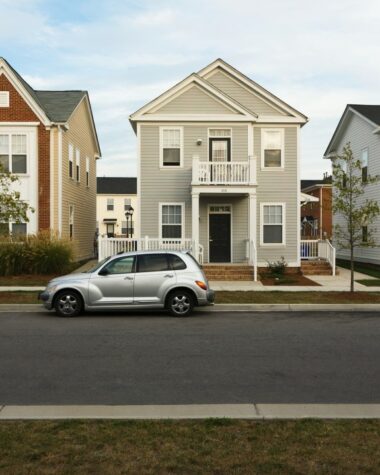
The difference is not the building. It’s the operating system behind it.
Think of it like this:
• The building is the hardware.
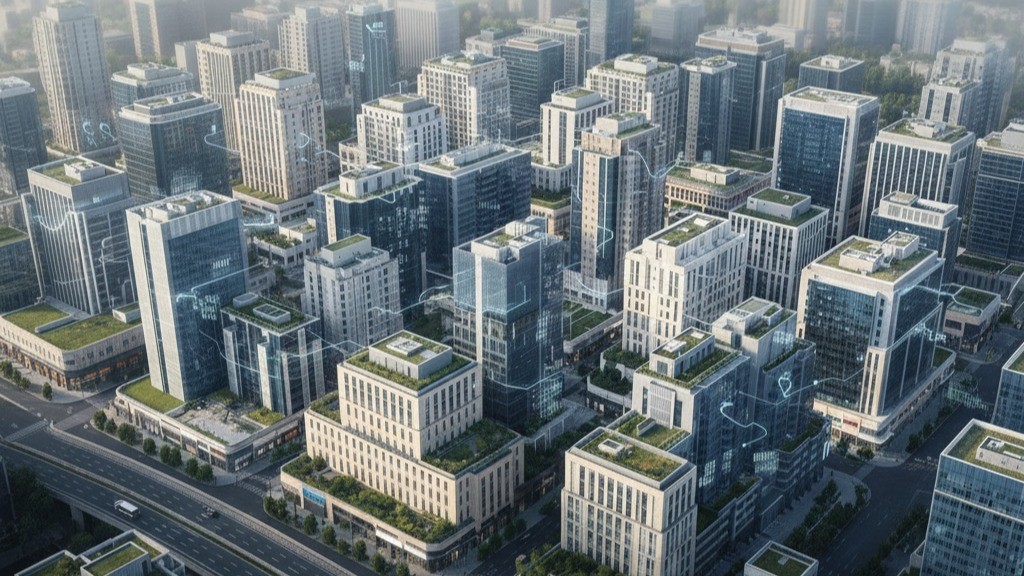
• Leasing, pricing, collections, and operations are the OS.
• PropTech and AI are the apps.
Most developers still optimize the hardware. The OS now decides returns. The cap rate is a photo, and the operating system is a learning machine.
In development, performance is about speed: How fast you sell, lease, collect, and deliver. In stabilized assets, it’s about NOI quality, not just NOI size.
In many models, a 6-month delay can reduce IRR by 200–400 bps.
Residential for Rent — Example.
Same project, same land, same capital.
Traditional operation:
• 20 units/month
• 70% conversion
• 95% collection
Results: ~12–14% IRR
Platform-driven operation:
• 32 units/month
• 82% conversion
• 98% collection
Results:~17–20% IRR
Nothing changed in the building.
Only the operating system.
It’s an execution-efficiency market.
The winners won’t be those with more land or more capital.
They’ll be the ones who build better operating systems.
If you still underwrite only cap rates and location,
you’re underwriting a photo — not the machine.
This shift — from assets to operating systems — is precisely what we focus on at REACH LATAM.
We support founders building technology and platforms that improve how real estate is developed, operated, and scaled across Latin America.
👉 Learn more and apply here.